- Sep 22, 2026
- Expatriation, Settling & Living in Mauritius
- 354
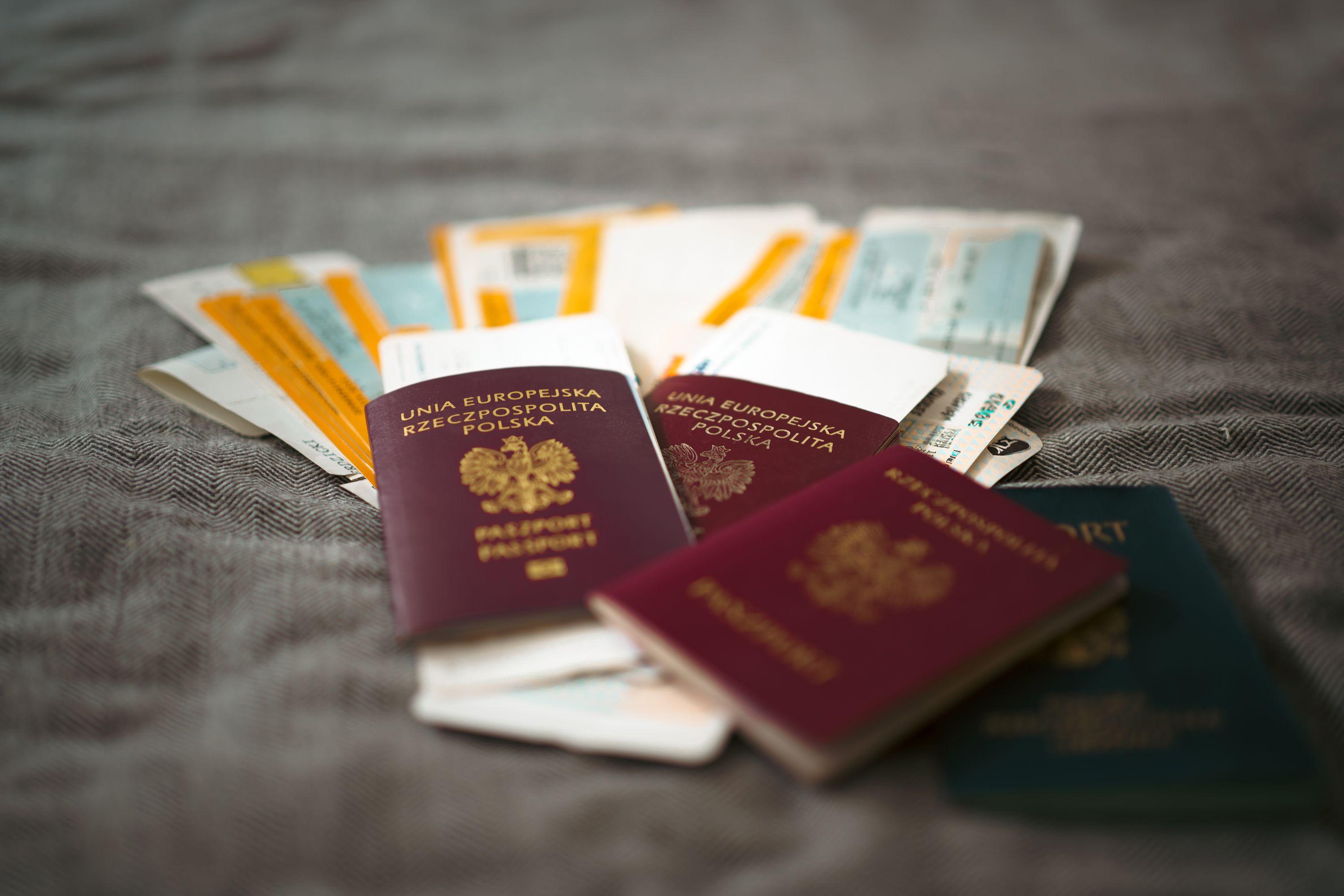
Mauritius offers several routes for non-citizens to settle legally. Some grant the right to reside through a property investment, others through professional activity, retirement or a simple long-stay project. Conditions, durations and rights (work, family, renewal) vary significantly.
Here is the updated overview of the main schemes in 2026.
1. Residence through Property Acquisition
For whom: buyers of a property under an EDB-approved scheme (PDS, IRS, RES, Smart City, IHS, certain G+2).
Main threshold: USD 375,000 (or equivalent).
Duration: valid as long as the property is held.
Key points:
- Covers the buyer, spouse and dependent children under 24.
- No minimum presence requirement to maintain the permit (unlike some other statuses).
- Often opens the possibility of working in Mauritius without a separate Occupation Permit (subject to the texts in force).
- The property must remain within the approved scheme framework.
This is one of the most widely used routes by families and investors who wish to combine an asset with the right to reside.
2. Occupation Permit (OP)
The Occupation Permit combines the right to reside with authorisation to carry out an activity in Mauritius. It is divided into several categories.
a) Investor
- Creation of or participation in a Mauritian company.
- Initial investment threshold raised to around USD 100,000 (2026 changes).
- Progressive turnover requirements for renewal (annual thresholds from year 3 / year 5).
- Duration: up to 10 years, renewable subject to conditions.
b) Professional
- Salaried employment with a company based in Mauritius.
- Harmonised minimum monthly salary (2026 order of magnitude: around MUR 50,000 according to budget announcements).
- Duration linked to the contract, renewable.
c) Self-Employed
- Activity in one’s own name or through a single-person structure.
- Proof of economic viability and business income.
- Higher turnover or income thresholds for renewals.
d) Young Professional / other technical categories
- Aimed in particular at graduates of recognised Mauritian institutions.
- Specific salary and duration conditions.
Applications are processed through the EDB. The 2026 criteria place greater emphasis on genuine economic substance.
3. Residence Permit for retired non-citizens
For whom: individuals aged 50 and over.
Main condition: transfer of at least USD 2,000 per month (or USD 24,000 per year) into a Mauritian bank account, with annual supporting evidence.
Duration: generally 10 years, renewable.
Key points:
- No local salaried activity allowed (investment possible under conditions).
- Covers the spouse and, in some cases, dependent children.
- Presence requirements are often linked to maintaining the status (check the exact conditions in force).
- A straightforward route for retirees with stable external income.
4. Premium Visa
For whom: digital nomads, remote workers, long-stay retirees and people wishing to test life in Mauritius without local activity.
Conditions:
- Income from abroad (commonly cited benchmark: around USD 1,500 per month for a single person, plus additional amounts for dependants).
- Health insurance, proof of accommodation, evidence of income.
- Prohibition on entering the Mauritian labour market.
Duration: 1 year, renewable.
Cost: generally free of charge (no processing fee indicated).
This is the most flexible entry point for an extended stay without a local economic settlement project.
5. Golden Visa (High-End)
For whom: high-net-worth investors.
Threshold: investment of around USD 1 million within a defined timeframe (often 12 months).
Duration: initial period (often 2 years), with a route to permanent residence under conditions.
This scheme is aimed at a higher-end clientele and remains less common than the classic routes (property or Occupation Permit).
6. Other specific situations
- Spouse / dependants: family members of the main permit holder can generally obtain dependant status (age and family-link conditions apply).
- Marriage to a Mauritian citizen: opens a specific residence route.
- Permanent Residence (PR): accessible after several years under certain permits (often 5 years according to recent changes), subject to maintaining the status and sometimes to investment or presence requirements.
7. Summary comparison table
Scheme | Main audience | Key threshold / condition | Indicative duration | Local work |
Property (≥ USD 375,000) | Investors / families | EDB-scheme purchase | While owner | Often yes* |
OP Investor | Entrepreneurs | ~USD 100,000 + turnover | Up to 10 years | Yes |
OP Professional | Employees | Minimum salary | Linked to contract | Yes |
OP Self-Employed | Self-employed | Viability + income | Up to 10 years | Yes |
Retired (50+) | Retirees | USD 24,000/year transferred | 10 years renewable | No (salaried) |
Premium Visa | Nomads / long stay | Foreign income | 1 year renewable | No (local) |
Golden Visa | HNW | ~USD 1 million | Initial + PR route | According to rules |
*Subject to the texts and the type of property-linked permit.
8. Points of attention for 2026
- Thresholds and conditions evolve with successive budgets. Always check the EDB guidelines in force at the time of application.
- Tax residency ≠ residence permit: the permit authorises the stay; tax residency depends mainly on the number of days of presence (183 days or the cumulative 270-day rule).
- Traceability of funds and compliance with KYC/AML rules are systematic.
- Family reunification and dependants’ rights should be planned from the outset.
Frequently Asked Questions on Residence Permits in Mauritius
What is the simplest permit for settling in Mauritius?
For a retiree aged 50 or over with external income: the retired permit. For a property buyer: residence linked to a property of USD 375,000 or more under an approved scheme.
Can one work with a property-linked permit?
In many cases yes, without needing a separate Occupation Permit, subject to the texts in force.
What is the difference between the Premium Visa and the Occupation Permit?
The Premium Visa authorises residence and remote work with foreign income, without local activity. The Occupation Permit allows economic activity in Mauritius.
Does a residence permit confer tax residency?
No. Tax residency depends on the presence and attachment criteria defined by the Mauritius Revenue Authority.
Do the conditions change often?
Yes, investment, salary and turnover thresholds are regularly adjusted. An up-to-date check with the EDB is essential.
Would you like to identify the permit suited to your situation?
Property Mauritius assists many clients with their relocation plans and can direct them to the appropriate contacts (EDB, immigration advisers, notaries) to secure the right framework.
Contact Property Mauritius in Pointe-aux-Canonniers for a personalised discussion.
Popular Categories
Popular Posts